Refrigerator Repair
How Often to Change a Sub-Zero Refrigerator Water Filter
Change a refrigerator water filter about every six months, or sooner if the dispenser slows or the ice turns small, hollow or stale. On a Sub-Zero built-in the filter light marks the date, and a clogged or poorly fitting cartridge can starve the ice maker and water valve.
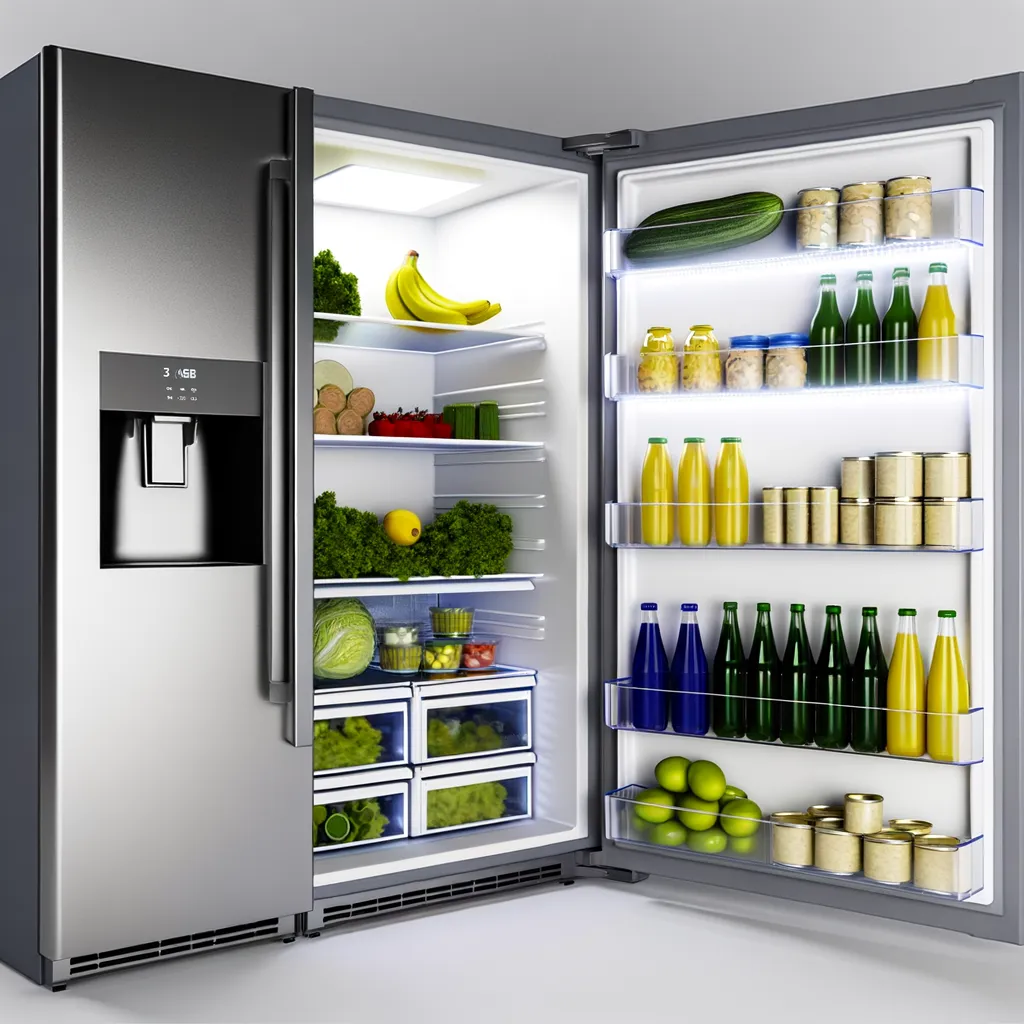
Replace the water filter in a refrigerator about every six months, and sooner if the dispenser starts to slow, the cubes shrink or go cloudy, or the water picks up a stale taste. Six months is the interval Sub-Zero and most other makers of built-in refrigeration give for their cartridges, and it holds even in a kitchen where nobody uses the dispenser, because the filter ages whether water moves through it or not. On a Sub-Zero, the filter indicator on the control panel lights when the cartridge is due, so the simplest habit is to replace it the week that light comes on.
Lexington buys its town water from the MWRA reservoir system, so most homes here start with soft, treated water. The filter in those kitchens is mostly taking out the disinfectant taste and catching whatever grit the pipes shed between the street and the refrigerator, and that is exactly the kind of work that loads up a carbon block over a few months.
Why six months, even before the light comes on
A refrigerator filter is mostly a block of activated carbon wrapped in a fine screen. The carbon pulls chlorine-type tastes, odors and some dissolved contaminants out of the water by holding them on its surface, and that surface has a limit. Once it is used up, water still passes through, but it tastes much like the tap again, and a saturated block can start letting go of some of what it collected. The screen, meanwhile, slowly packs with sediment, which is the part you notice as a weaker stream.
Time matters as much as volume. A damp cartridge sitting in a cold cabinet for a year is a comfortable place for bacteria to settle, even in a household that drinks bottled water and only runs the ice maker. That is why filters carry both a calendar limit and a rated volume, and the rule is whichever arrives first. A busy family filling bottles all day may need a fresh one well before six months; a quiet second home still wants a new cartridge by the half-year mark.
Signs the filter is finished early
Watch for these between changes:
- The dispenser takes noticeably longer to fill a glass, or the stream sputters and surges.
- Cubes come out smaller, hollow or stuck together, and the bin refills more slowly.
- Water or ice tastes flat, musty or of chlorine again.
- Ice stays cloudy batch after batch.
Slow flow is the most dependable of these clues. Taste is personal, and cloudy ice also comes from air trapped during fast freezing, so treat those two as reasons to check the date on the cartridge rather than proof on their own.
What a clogged or wrong filter does to the refrigerator
The filter sits between the house supply and the water valve, so everything after it depends on it. A clogged cartridge lowers the pressure reaching the valve. The ice maker opens that valve for a set number of seconds, so with weak pressure it collects less water per fill, which is where undersized and hollow cubes come from. Low flow also lets the fill tube freeze more easily, and a frozen tube stops ice production completely until it thaws.
The wrong filter brings a different set of problems. Look-alike cartridges are not always made to the same tolerances, and one that does not seat fully can drip at the housing or let water slip around the carbon instead of through it. Water pooling on a shelf or under the toe kick right after a filter change usually traces back to the cartridge or its O-rings; our page on water where it should not be covers the other places a leak begins. Stick to factory-approved parts or a cartridge listed for your exact model, and make sure it turns all the way in.
If the valve or supply line has already been damaged, that repair typically falls in the $280–$700 range, with a firm quote once the fault is diagnosed. A replacement filter costs a small fraction of that, which is the best argument for keeping to the schedule.
Changing the filter on a built-in
On many Sub-Zero built-ins the filter sits inside the fresh-food compartment near the top; on some older units it is behind the front grille, and a few rely on an inline filter under the sink or in the basement instead. The use-and-care guide for your model shows which. The swap itself takes a few minutes:
- Keep a towel handy, since some water drips from the old cartridge.
- Turn the old filter about a quarter turn to release it, then pull it straight out.
- Remove any protective cap from the new one, push it in and turn it until it stops.
- Dispense water in pauses for about three minutes to clear air and loose carbon dust. Sputtering at first is normal.
- Throw away the next two or three batches of ice.
- Reset the filter indicator as the manual describes, usually by holding a button on the control panel.
Write the install date on the cartridge with a marker. It tells you exactly where you stand if the reminder is ever cleared early or simply missed.
When a fresh cartridge does not fix it
If flow is still weak with a new filter in place, the filter was never the bottleneck. The usual culprits are a supply valve that is partly closed or crusted, a kinked line behind the cabinet, a frozen fill tube, or an inlet valve whose screen has clogged or whose coil is wearing out. A dispenser that stays dead while the ice maker keeps filling points to the dispenser side instead; the GE Monogram dispenser guide shows how to use the ice maker to split that fault, and the same logic works on a Sub-Zero.
That is the moment to book a visit rather than buy another cartridge. Sub-Zero Repair Lexington is an independent local service, and a visit starts with the $95 service call, which pays for the trip and a complete diagnosis and is put toward the bill when you approve the repair. Call (781) 790-4760, or read what the ice maker and water side of the work includes. We work in Lexington, Bedford, Belmont, Arlington Heights and Meriam Hill.
Still asked on the phone
Do I need to change the filter if I rarely use the water dispenser?
Yes, on the same six-month schedule. On most built-ins the ice maker draws through the same cartridge, and a filter that sits wet in a cold cabinet for months loses carbon capacity and can harbor bacteria whether or not much water has passed through it.
Is a generic replacement filter safe for a Sub-Zero?
It can be, but fit is the risk. A cartridge that does not match the housing closely can weep at the head or let water slip past the carbon. Buy the filter listed for your exact model, look for an NSF listing on the box, and confirm it turns fully home with no drip.
What happens if I never change the refrigerator water filter?
The water stops being filtered long before it stops flowing. Taste and odor come back first, then flow drops as sediment packs the screen, and the ice maker starts turning out small or hollow cubes because each fill gets less water. Left long enough, the weak flow can help a fill tube freeze shut.
Why does the dispenser sputter after I put in a new filter?
Air trapped in the new cartridge and line is being pushed out, which is normal. Run water in short bursts for a few minutes until the stream is steady. If it keeps spitting after that, check that the filter is fully seated and that the supply valve feeding the unit is open all the way.