Refrigerator Repair
Sub-Zero Classic vs Designer: What Changes on a Repair Day
The two lines cool in much the same way. What separates them is how the cabinet is fitted into the joinery, how long it takes to reach the machinery, and how a repair is judged finished — because on a Designer install, the cabinetry decides that.
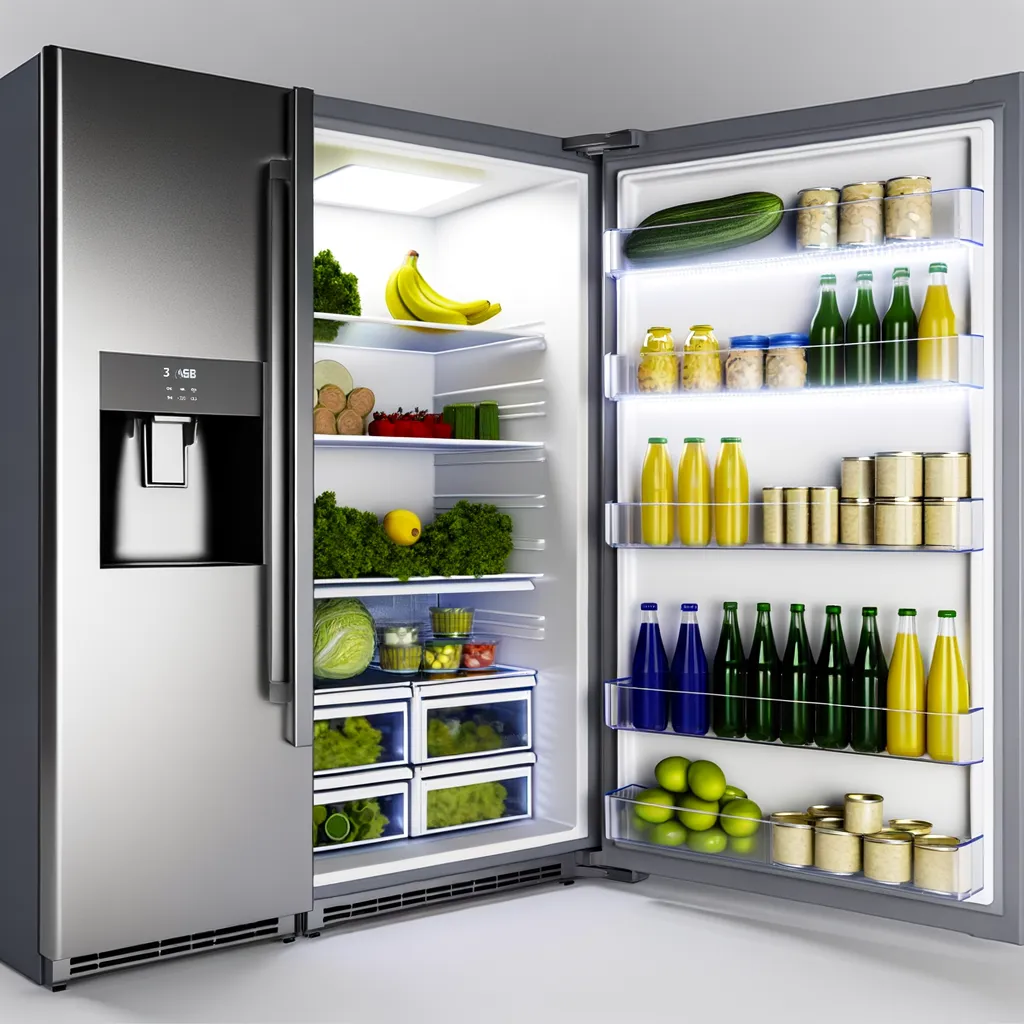
Choose between them on the kitchen, not on the refrigeration. A Sub-Zero Classic built-in and a Designer integrated column are close relatives thermally, and the faults they develop over a long life are largely the same faults. Where they genuinely diverge is everything around the cold: how the cabinet meets the cabinetry, what has to come off before anyone can reach the working parts, and who decides that the door is hung correctly. On a Classic, the appliance decides. On a Designer, the joinery does — and that single difference accounts for most of what separates a repair on one from a repair on the other.
The same idea, fitted two different ways
A Classic full-size built-in is one cabinet holding both compartments, standing proud of the cabinet run by design, with its grille across the top and a face that either shows stainless or takes an overlay panel. It reads as an appliance in a kitchen.
The Designer line is the same refrigeration presented as cabinetry. Full-height single-climate columns, drawers and undercounter units are built to sit flush within the run, accept a panel made by whoever made your kitchen, and disappear. A Designer kitchen typically pairs a refrigerator column with a freezer column, sometimes with a drawer set elsewhere in the island, so what was one appliance becomes two or three.
Both approaches turn up constantly around here. Meriam Hill and Bedford rebuilds of the last fifteen years lean heavily integrated. Older Belmont and Arlington Heights kitchens more often keep the Classic cabinet that went in when the kitchen was last done, and a good number of those are the 500 and 600 series machines that have been running quietly for a very long time.
Reaching the machinery
Everything on a Classic is arranged around a grille you can reach standing up. Take it off and the condenser is in front of you, which is why the single most useful piece of owner maintenance on that line is genuinely a homeowner job.
Integrated cabinets move that relationship. The service access is designed into a cabinet whose whole purpose is to look like a door front, and getting to it usually means dealing with a custom panel first — a panel that may be solid timber, may be heavy, may be one of a matched pair, and will be noticed immediately if it goes back a millimetre out. None of that is difficult work, but it is careful work, and it happens before the diagnosis starts and again after the repair is finished.
The practical consequence for an owner is small and worth knowing: on a Classic, clearing the condenser yourself is reasonable. On a flush-fitted column, it is usually better left to the visit, because the risk sits in the panel rather than in the coil.
Alignment is a different job on a flush door
On a Classic, a door is hung correctly when it closes square and seals evenly. There is one reference: the appliance itself.
On an integrated column, a door is hung correctly when it closes square, seals evenly, and reads consistently against the cabinet doors either side of it. There are two references, and they do not always agree. A cabinet run that has settled, a floor that has moved, or a panel that was fitted to a kitchen with slightly different tolerances all turn a straightforward hinge adjustment into a negotiation between the appliance and the joinery.
That is why door and seal work behaves differently between the two lines. The part is the same part and sits in the same published $270 to $750 band; what varies is how long it takes to arrive at a result the kitchen agrees with.
What actually differs, in one table
| At repair time | Classic built-in | Designer integrated |
|---|---|---|
| Getting in | Grille off the top of the cabinet, tool-light | Custom panel and flush face handled first |
| Owner maintenance | Condenser clearing is reasonable to do yourself | Better folded into a visit, for the panel’s sake |
| A door adjustment | Set against the appliance | Set against the appliance and the cabinetry |
| A single fault | Affects one compartment of one cabinet | Takes a whole climate out, since each column is one |
| Pulling the unit out | Freestanding footprint, needs floor protection | Scribed into a run, so the run comes into it |
| Age you meet locally | Often decades of it, several generations | Generally newer, more electronic control |
Age, parts and what a quote turns on
The Classic lineage is long, and that cuts both ways. Fans, defrost components, thermistors and gaskets for the widely used generations move steadily through local supply, so a common repair rarely waits on a part crossing the country. Against that, a cabinet old enough to have been through two kitchen renovations will have accumulated its own history — a supply line rerouted, a grille panel added, a floor relaid underneath it.
Designer cabinets are, on the whole, younger, and carry more electronic control per appliance. That shifts the probable fault list slightly: fewer of the mechanical complaints that come with age, a somewhat higher share of sensing and control work, which is the $490 to $930 band. It also means a household with two columns owns two control systems rather than one, and they will not fail on the same day.
Repair or replace, without the showroom framing
The arithmetic is not close, and it is the same on both lines. Replacing a built-in cabinet in this market runs $7,800 to $21,150 for the appliance alone, before delivery, installation, panels or any cabinetry work — and on an integrated pair that is usually two purchases rather than one, because a refrigerator column and a freezer column are separate machines. Against that, the most expensive repair band here, compressor or sealed-system work, is $960 to $2,110.
Integration raises the replacement stakes further. A Classic cabinet can generally be swapped for another Classic cabinet. A column scribed into a run built around it constrains what can go back in the hole, and the honest version of that conversation includes a joiner.
Working out which one you have, and what to do next
If the cabinet stands slightly forward of the run with a grille across the top, it is a Classic. If the front is indistinguishable from the doors either side and the top of the unit vanishes into the cabinetry, it is integrated. Either way, find the model and serial plate inside the compartment and photograph it before you phone anyone — it settles the generation, the parts and half the diagnostic questions in one go.
From there the work is the same on both lines: measure rather than guess. The visit is a flat $95, the diagnosis is part of it, and that amount comes off the work if you decide to go ahead. The refrigerator repair page sets out what the work involves; a phone call or the booking link will reach this bench either way.
Still asked on the phone
We have one refrigerator column and one freezer column. Does a fault in one affect the other?
Not electrically or mechanically — they are separate appliances that happen to share a wall of cabinetry, and a failure in one leaves the other running normally. Where they do interact is heat and access. Two cabinets in a single run reject their heat into the same pocket of joinery, so a blocked grille on one raises the working conditions for both, and reaching the back of one usually means clearing space in front of the other.
Can a Classic built-in be made to look like an integrated Designer install?
Partly, and the distinction is worth understanding before anyone quotes for it. Panel-ready Classic cabinets accept a decorative front that matches your doors, which gets most of the way there visually. What they do not do is sit flush within the cabinet face with the door edges concealed, because that flush relationship is built into the Designer cabinet and its hinges. Closing the remaining gap is joinery work on the kitchen, not a modification to the appliance, and it is not something to attempt on an installed unit.
Does a repair take longer on an integrated cabinet?
Often, yes, and the extra time is spent at the beginning and the end rather than on the fault itself. A custom panel has to come off carefully and go back on true, and a flush door has to be re-set against the cabinetry rather than simply refitted. The diagnosis is the same work on either line. If a quote for the same named repair differs between two kitchens, handling is usually the reason, which is why the price is confirmed after the cabinet has been looked at rather than over the phone.