Refrigerator Repair
The Sub-Zero Annual Maintenance Checklist Is Mostly One Job
One item on the yearly list changes how long a built-in lasts, and it is the condenser. Everything else is a ten-minute inspection. Here is the whole list, honestly weighted, plus the jobs that are not worth attempting at home.
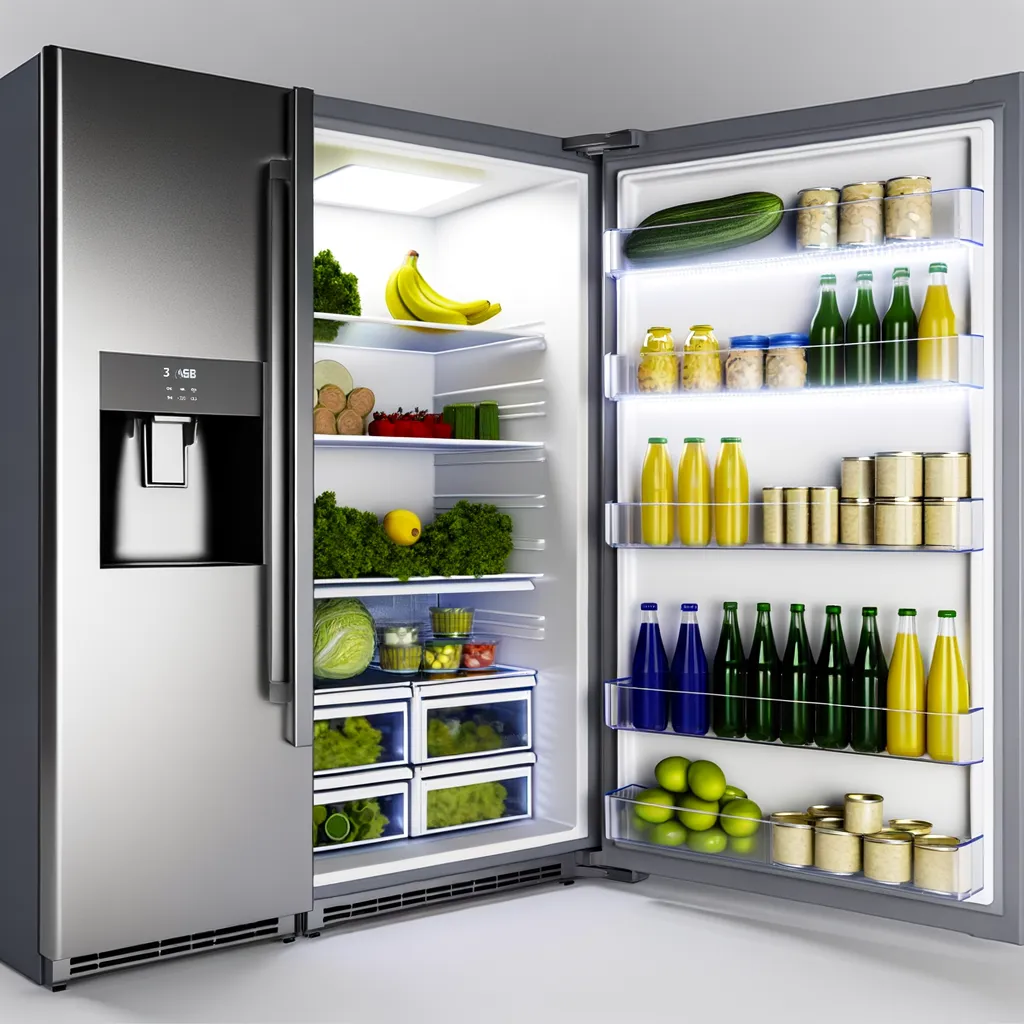
If you only do one thing to a built-in refrigerator this year, clean the condenser. Everything else on the annual list is inspection: valuable, quick, and unlikely to change the life of the machine. The condenser is the item that decides whether a compressor spends the next decade working normally or working long shifts, and it is the one job on the list a homeowner can do properly with a brush and a vacuum.
That ordering matters, because maintenance lists tend to be presented flat, as though wiping a gasket and clearing a coil were equivalent acts. They are not.
Why the condenser earns the top of the list
Everything a refrigerator removes from inside the cabinet has to be handed to the air of your kitchen, and the condenser is where the handover happens. Put a layer of dust across it and the handover slows. The appliance does not fail; it compensates. The compressor runs longer for the same result, the cabinet still holds temperature, and nothing looks wrong for a long time.
That is precisely what makes it dangerous. A fault announces itself. Gradual loss does not, and by the time somebody notices the fridge sounds like it is always on, the machine has been running extended cycles for a year or two. Ice production usually drops first, then the fresh food side starts drifting on warm days, and those symptoms arrive far enough apart that nobody connects them.
Doing it without causing damage
Turn the unit off at its switch or its breaker first. Then take the grille off — on most built-ins it is at the top of the cabinet and comes away with the fasteners it was fitted with, not with force.
What you are looking at is a bank of fine metal fins. Work with a soft brush and a vacuum, brushing along the direction the fins run rather than across them, because they bend easily and a bent fin is a blocked one permanently. Take the dust out of the space with the vacuum instead of pushing it further into the coil. Do not use water, do not use a spray coil cleaner, and do not use compressed air in a finished kitchen unless you want to redecorate it.
Then put the grille back properly. A grille left slightly proud, or resting on a decorative panel, will undo the work you just did.
The ten-minute inspection
None of the rest requires tools. Work round the cabinet in one pass:
- Door seals. Close the door on a strip of paper and pull. Firm resistance everywhere is right. If it slides freely at one point, that corner is not sealing, and a corner is where it always begins.
- Door swing. From about a hand’s width open, a properly hung door should draw itself shut. One that stops and stays there is out of alignment or the cabinet has moved on the floor.
- Levelling. Stand back and read the reveal between door and cabinet at top and bottom. A gap that narrows towards one side is a levelling problem, and it will become a gasket problem.
- The floor in front and the pan below. Any moisture that keeps returning is a finding, not a spill. Dry it, mark the day, and see whether it comes back.
- The ice bin. Tip out anything that has been standing for months. Old ice absorbs whatever the freezer smells of, and a fused heap can hold the fill mechanism out of position.
- Water filter. Change it if you cannot say when it was last done. Flow drops long before taste does.
- Listen. Open the freezer and listen for the fan. Then close everything and listen from a quiet room: a cabinet that never falls silent is telling you something the display will not.
- Verify the temperature. Leave an independent thermometer in each compartment overnight and compare it with the panel. The panel shows a target.
Anything on that list that reads wrong is worth a note with a date against it. Two dated observations are worth more to whoever eventually looks at the appliance than a paragraph of description.
What is not on the list
Some jobs get recommended online and should not be. Do not chip or scrape frost out of a freezer: the tubing behind that panel is soft and a puncture converts a defrost fault into a sealed-system one, which is the difference between the $290 to $680 band and the $960 to $2,110 band. Do not take the rear panel off to investigate. Do not attempt anything involving refrigerant, which is not a fluid that gets topped up on a healthy machine. And do not turn the set point colder to compensate for a cabinet that is running warm — you will hide the symptom, run the compressor harder, and lose the only early warning you had.
A calendar that fits a house here
Two moments in the year suit this work better than an arbitrary date. Late spring, before the first genuinely hot week, is the moment a condenser most needs to be clear, since summer is when the appliance has the least margin. Early autumn, once the heating comes back on and the house starts moving dust around again, is the second.
Local housing decides how strict you need to be. Meriam Hill and Bedford kitchens tend to be recent, open-plan and roomy, and their problem is heat rather than access. The older two-family kitchens around Waverley and Cushing Square in Belmont are the opposite: the cabinet is often wedged into a run with almost nothing behind it, so the condenser is both harder to reach and more important to clear. Arlington Heights adds another wrinkle, because back entrances and short driveways make any eventual removal difficult enough that keeping the machine healthy is worth more there than elsewhere.
Where the list ends
A checklist is a way of noticing things early, not a way of repairing them. Once you have found something — a seal that will not grip, a compartment that disagrees with its display by more than a little, water returning to the same spot, a fan you can no longer hear — the next step is measurement.
That visit is $95 flat and includes the full diagnosis, credited against the repair once you approve one. Door gasket or seal work sits in a published $270 to $750 band; a defrost heater, thermostat or sensor runs $290 to $680. Which of those is on the table is a question of readings rather than opinion. Bring your dated notes to the call — phone us, or book through the link in the header, and start with what you wrote down.
Still asked on the phone
Once a year, or more often than that?
Once a year suits a household with no pets and no building work. Two things change that. Long-haired animals load a condenser several times faster than an ordinary kitchen does, and so does any renovation in the house, because plaster and sawdust travel everywhere and settle on the first cold surface they meet. If either applies, look at the condenser twice a year, and look at it within a fortnight of the dust sheets coming down rather than waiting for the anniversary.
The fridge is already running warm. Will cleaning the condenser fix it?
Sometimes, and it is worth doing first because it costs an hour and rules out the commonest cause of a slow decline. Give it two full days afterwards before you decide, since a cabinet that has been struggling takes a while to pull back down. If it has not recovered in that time, stop cleaning and start measuring. A warm cabinet that survives a clean condenser is telling you about airflow inside, a defrost circuit or the sealed system, and none of those are read by eye.
Is it worth paying for a maintenance visit if nothing is wrong?
For most households, no, because the one job that genuinely matters is a brush and a vacuum. Two cases are different. A cabinet nobody can reach the back of, and a cabinet whose owner has already noticed something they cannot name, are both better looked at than guessed at. The visit is the same flat $95 that covers a fault call, it includes the diagnosis, and it is credited against the work if it turns into any.