Guide
Wolf and Viking Professional Ranges Compared, From the Service Side of the Kitchen
Both ranges cook well for two decades, so the honest comparison is not about output. It is about which parts wear first, how the dual-fuel split behaves when half of it fails, and who within driving distance of Lexington works on yours weekly.
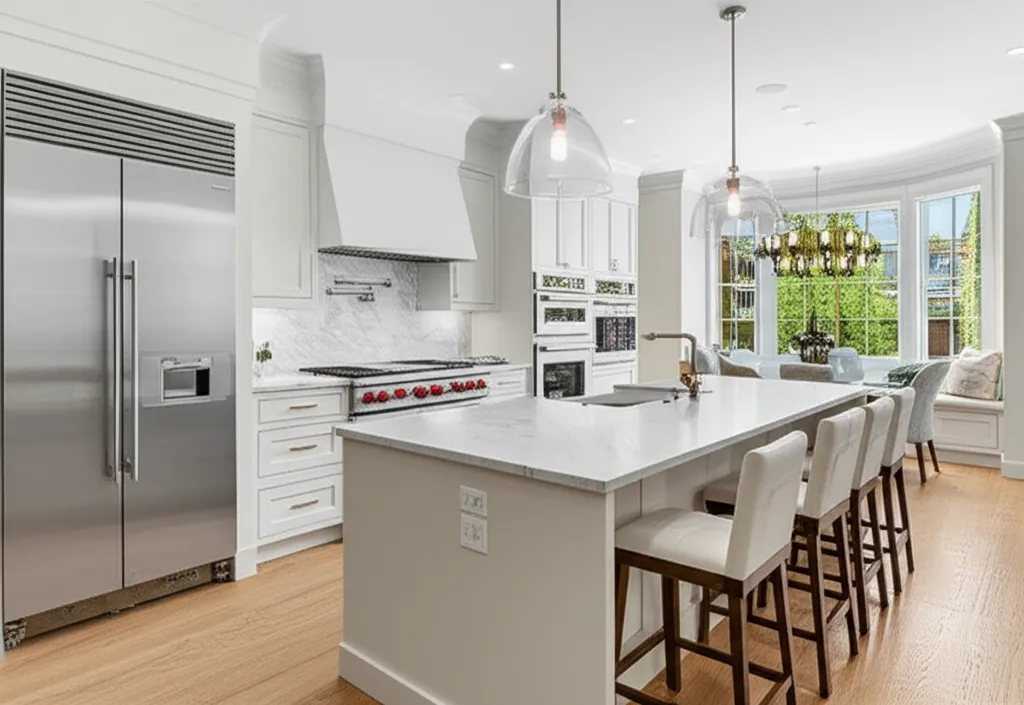
Neither of these ranges will let you down at the burner in the way people fear when they spend this kind of money, and a comparison built on output figures answers a question nobody actually has. The differences that shape twenty years of ownership are narrower and duller than the showroom suggests: how the ignition is arranged and how easily it fouls, how the oven door behaves as its hinges age, what happens when one half of a dual-fuel range fails and the other half carries on, and — the one most buyers never weigh — how many benches within reach of your address open one of these every week.
This workshop takes neither. Refrigeration is the whole of the book here, and cooking appliances are not accepted. What follows is written from the side of the kitchen where the refrigeration sits, from what turns up in Lexington and Bedford houses over and over, and from questions asked at the door while a column is being worked on.
Start with what is genuinely the same
Both are heavy, sealed-burner ranges built to be repaired rather than replaced, and both concentrate their faults in the same four places: ignition components, the oven cavity sensor, hinges and their springs, and the convection fan. Any comparison that implies one of these makes fails and the other does not is selling something. Twenty years in, both will have had a hinge or a sensor.
That matters because it moves the decision. If the failure list is broadly common, the thing to compare is what happens around the failure — parts, access, and who turns up.
Ignition, and the complaint that generates the most phone calls
The single most reported cooking-appliance annoyance in these kitchens is a burner that clicks and keeps clicking after it has lit. It reads as an electrical fault and it is usually housekeeping: moisture or a sugar-and-fat residue bridging the electrode, so the control keeps trying to spark a burner that is already alight.
The practical difference between makes is not whether this happens. It is how the burner is put together over the electrode, how deep the recess is, how much of a boiled-over pot ends up in it, and how well the whole assembly dries once it is clean. A design you can lift, wipe and dry in two minutes is a design that produces one call instead of three. Look at that in a showroom by taking a burner cap off, which is a thing you are allowed to do and almost nobody does.
The oven door decides more than it looks like it does
A professional oven door is heavy and its hinges carry that weight through springs. Springs relax. The door stops sitting flush, heat leaks continuously along the top edge, the cavity chases the loss, and every complaint downstream of that — uneven bakes, long preheats, a sensor that reads as though it is drifting — gets blamed on something else.
There is a test worth running on any range, new or old, and running again a few years in. Switch the oven light on, close the door, turn the kitchen lights off and look along the top edge for a line of light. If you can see the bulb, the door is not sealing and nothing else you measure inside that cavity can be trusted. On both makes this is a wear item and not a defect. The heavier the door, the sooner it shows.
Dual fuel means two appliances sharing a frame
A gas top with an electric oven is a good arrangement to cook on and a genuinely different thing to own, because its two halves fail independently. The oven can go down while every burner lights normally, and a tripped breaker can take out the oven, the clock and the convection fan while the gas side gives no hint that anything has changed.
The ownership consequence is procedural, not mechanical. When something stops working, confirm the electric side and the gas side separately before describing the fault to anyone, because the description you give on the phone determines which trade is sent and a wrong one costs a visit. All-gas ranges avoid this split entirely, which is a fair reason to choose one if the kitchen already has good gas and a hood that suits it.
Electronics are a choice you make once and live with
Every additional screen, probe and connected feature is another component that has to be available in fifteen years. Nothing about a display makes a range cook better; it makes it easier to operate and harder to keep repairable. Older knob-and-thermostat designs age slowly and unglamorously. This is not an argument against modern controls, only an argument for noticing that you are trading one kind of convenience for another kind of longevity.
Serviceability in Greater Boston is the real differentiator
Here is the comparison nobody prints. Before buying, ring two or three independent benches near you and ask a single question: how often do you open one of these? Not whether they will take it — how often. A make that is common in your area is a make with parts on local shelves, technicians who have met the fault before, and a shorter wait in February.
Wolf shares a parent with Sub-Zero, which is why so many kitchens around here contain both and why the service ecosystem that grew up around one tends to know the other exists. Viking is present in the same towns but the bench that sees it weekly is a smaller set. That is a statement about density in this corner of Massachusetts, not about engineering quality, and it can be checked in an afternoon of phone calls. Make those calls before the appliance arrives rather than the first time it fails.
Where to go from here
Two pages on this site carry the honest position at more length: Wolf, where the same-company question comes up constantly, and Viking, which sets out how the refrigeration architecture differs from a Sub-Zero. The general ranges and cooktops page explains what is safe for an owner to check and where it stops. If you ever smell gas, act on that safety page first and read nothing else.
The refrigeration standing next to the range is the part this bench does take, and the choice of column is where the consequences land in our diary rather than somebody else’s.
Still asked on the phone
Wolf and Sub-Zero are one company. Does one technician cover both?
Almost never, and it is worth understanding why rather than assuming it is a scheduling problem. Sealed-system refrigeration and gas cooking are two trades with different tooling, different rules about who may touch the gas, and different failure libraries. Shared ownership put the two badges in the same showroom; it did not merge the skills. Expect to hold two numbers for one kitchen, and treat a bench that claims both without hesitation as a question rather than a convenience.
A burner keeps clicking after it has lit. Is that urgent?
It is irritating rather than dangerous, and it is usually the cheapest fault in the kitchen to close out. Continued sparking after ignition normally means moisture or spill residue is bridging the electrode to the burner, so the control never registers that a flame is present. Lift the cap, clean around the electrode properly and let everything dry completely before you judge it. Clicking with no flame at all is a different fault and belongs to the igniter or the spark module.
Can I put one make into the opening the other came out of?
Sometimes, but the opening is the least of it. Depth to the finished face, the trim and toe treatment, the electrical supply a dual-fuel model needs alongside the gas, and above all the hood and its duct run are what decide the job. A like-for-like width can still turn into cabinetry work and a ventilation change. Measure the duct and the supplies before you fall in love with a model, not after.